On December 5, 2025, Europe’s regulatory crackdown on social media took a dramatic turn. The European Commission announced a €120 million fine against X, citing serious violations of transparency and safety rules under the Digital Services Act (DSA). It was the first major enforcement under the legislation — and immediately triggered fury from Elon Musk, whose social-media empire now faces an uncertain future.
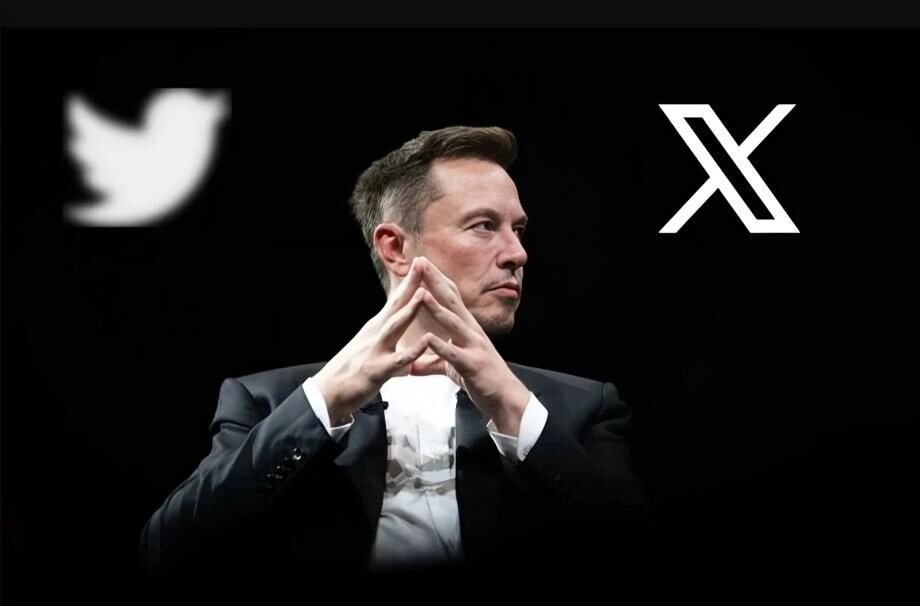
Musk’s response was explosive and swift: he lashed out at the EU, calling the fine “crazy” and “insane,” saying it was not only aimed at X, but personally at him. To many observers, his reaction revealed just how high the stakes have become — not only for X, but for the global battle over free speech, regulation, and the power of Big Tech.
Why the Fine — and What X Did Wrong (According to Brussels)
The European Commission found X in breach of three major provisions under the DSA: transparency, user safety, and researcher access.
Paid “Blue Check”: Misleading Verification
Under Musk’s leadership, X changed its longtime verification model: the “blue tick” — once reserved for public figures, celebrities, journalists, or verified organisations — became available to any user willing to pay a subscription fee.
The EU ruled that this paid model constituted a “deceptive design.” Because X no longer meaningfully verifies who is behind each account, users can no longer reliably judge whether a “verified” account belongs to a real notable person or just a paying subscriber — which increases risks of impersonation, scams, misinformation, and manipulation.
Opaque Advertising & Hidden Data Access
X was also faulted for failing to maintain a transparent and accessible advertising repository. Under the DSA, platforms must publish data on ads — including who paid for them and who they target — to allow public scrutiny, detect scams, and identify politically manipulative campaigns. X’s ad-database, the Commission said, was undermined by design features making it difficult to access or analyze.

Further, X obstructed researchers from accessing public data: posts, metrics, ad reach information — data crucial to independent audits of hate speech, disinformation, coordinated campaigns, and algorithmic bias. By limiting that access, the platform failed to meet transparency obligations.
Because of the severity and duration of these breaches, the EU imposed the €120 million fine. This fine, while large, remains a fraction of the maximum penalty allowed (up to 6% of global revenue under DSA) — underscoring how the EU may reserve the right to escalate if non-compliance continues.

Musk’s Reaction: Fury, Defiance, Accusations
Musk wasted little time responding. On X, he posted a sharp critique of the ruling: calling it “crazy,” “insane,” and even “Bullshit.” He went further, claiming the fine wasn’t just against the company — but personally against him. “The ‘EU’ imposed this crazy fine not just on @X, but also on me personally,” he wrote.
He followed up by saying the EU should be abolished — arguing that decisions about online speech and regulation should remain with national governments, not supranational bodies.
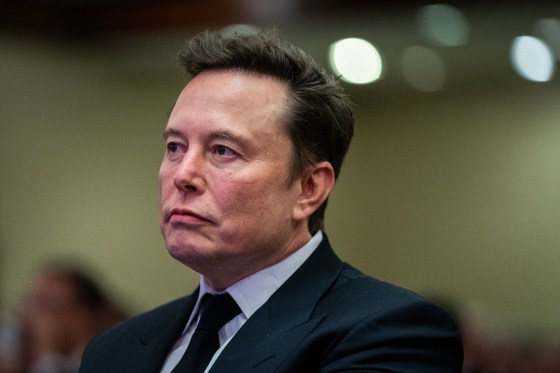
He also framed the issue as one of free speech and political interference. In response to supportive posts from U.S. allies, including JD Vance and Marco Rubio, Musk reposted messages criticizing the EU for “attacking American companies,” suggesting the penalty was less about user safety and more about geopolitical or ideological control.
Some of his remarks even accused the EU of “election interference,” signaling a framing of the issue beyond mere compliance — as part of a broader clash over regulation, national sovereignty, and American tech power.

Why This Matters: Bigger Than Just a Fine
A Precedent Under DSA — and a Warning to Big Tech
This sanction is the first major enforcement of the Digital Services Act, and it sets a precedent. It signals that large platforms like X — and other Big Tech firms — are not exempt. They can be held accountable under EU law.
The potential repercussions are huge: non-compliance could trigger further fines, even up to 6% of global revenue. For companies operating in multiple markets, that represents a serious financial and reputational risk.
Clash Over Free Speech, Regulation, Sovereignty
Musk’s reaction reframes a legal ruling as an existential fight over free speech and regulatory overreach. His argument — that such decisions should be made by national governments, not supranational bodies — taps into a broader debate about digital sovereignty, censorship, and the power balance between states and global corporations.This sets the stage for a wider political and ideological conflict: US-EU tension, debates about digital regulation, and how global platforms should be governed. As some US officials have already responded in Musk’s defence, the conflict may escalate beyond courts and into international diplomacy.

Risks for Users, Researchers, and Digital Transparency
The violations identified by the EU highlight real problems: paid verification that misleads users, opaque advertising that could hide scams or manipulative campaigns, and obstruction of academic or civil-society research. If such practices go unchecked, users — especially in large, diverse democracies — may be more vulnerable to misinformation, fraud, and exploitation.

The fine brings attention to why transparency matters and why regulators may increasingly treat “dark patterns,” misleading design practices, and hidden ad networks as regulatory red lines — not ethical recommendations.
What Happens Next — Uncertainty, Compliance, Legal Battles
X now has a tight deadline: the company reportedly has 60 to 90 days to propose and implement corrective measures — redesigning its verification, improving ad-database transparency, and enabling researcher access to public data.
If X fails to comply, it risks additional periodic fines under the DSA — or even more severe sanctions. Meanwhile, Musk has signalled he may appeal, and the clash could end up in court, turning a regulatory decision into a legal battle over digital governance.
The Stakes for Musk — and the Future of X
For Elon Musk, this moment may mark a turning point. On one side: X’s business model, global ambitions, and what he calls a commitment to free speech. On the other: strict regulation, potential legal battles, and reputational damage.
If X complies, the platform may have to fundamentally change how it operates — possibly reducing revenue from verification subscriptions, overhauling ad practices, and redesigning user-interface features. That could impact profitability, user growth, and competitive advantage.
If he fights — publicly or legally — he risks further backlash, both from regulators and from users who demand safer, more transparent platforms. And if he loses, X could face recurring fines, while other regulators (outside the EU) may follow suit.
In short: for Musk, this isn’t just a fine — it could reshape the future of his social-media empire.
Conclusion: A Blow — and the Beginning of a New Era for Online Regulation
The €120 million fine against X is more than a penalty. It is a symbolic blow — the first major enforcement under the Digital Services Act. It shows that regulators are ready to back up their words with action; that free-speech absolutism will collide with demands for accountability; and that global tech giants may no longer be able to operate beyond the reach of law under the guise of innovation.
For Elon Musk, the blow hurts — both financially and reputationally. But more than that: it challenges the narrative that platforms like X are immune to governance.