satellites that blanket the sky, Elon Musk has long insisted he is driven by logic, physics, engineering — not belief in the divine. For over a decade, Musk’s public persona has been that of a hyper-rational futurist, someone whose worldview is shaped by mathematics rather than metaphysics.

This is why his recent unexpected admission about belief in God has sent shockwaves through social media, faith communities, and even Silicon Valley.Not because Musk declared himself a religious man — he didn’t.
Not because he suddenly aligned with any denomination — he hasn’t.
But because, for the first time, he acknowledged publicly that he believes in the possibility — perhaps even the necessity — of a higher power guiding the universe.

It wasn’t loudIt wasn’t theatrical.But it was unmistakable — and for a man who rarely speaks about spirituality, it was stunning.This investigation examines what Musk actually said, how his spiritual views have evolved, why the comment matters, and whether this marks a turning point in his personal philosophy and global influence.
A Lifetime of Skepticism — and Rare Ambiguity
Elon Musk, the son of an engineer and a nutritionist, grew up in South Africa exposed to Anglican traditions but largely distanced from organized religion. Throughout his career, he has repeated several themes when asked about faith:
He respects religious traditions but does not follow any.
He doesn’t pray, but he “tries to think very carefully.”
He does not consider himself atheist but rather “a questioning agnostic.”
Most famously, in a 2020 interview, Musk said:
“I believe in the possibility of something greater than ourselves, but I don’t subscribe to any specific doctrine.”
This ambiguity has long been interpreted as a form of scientific spirituality — open to cosmic possibilities, skeptical of dogma.
But his recent admission goes further.
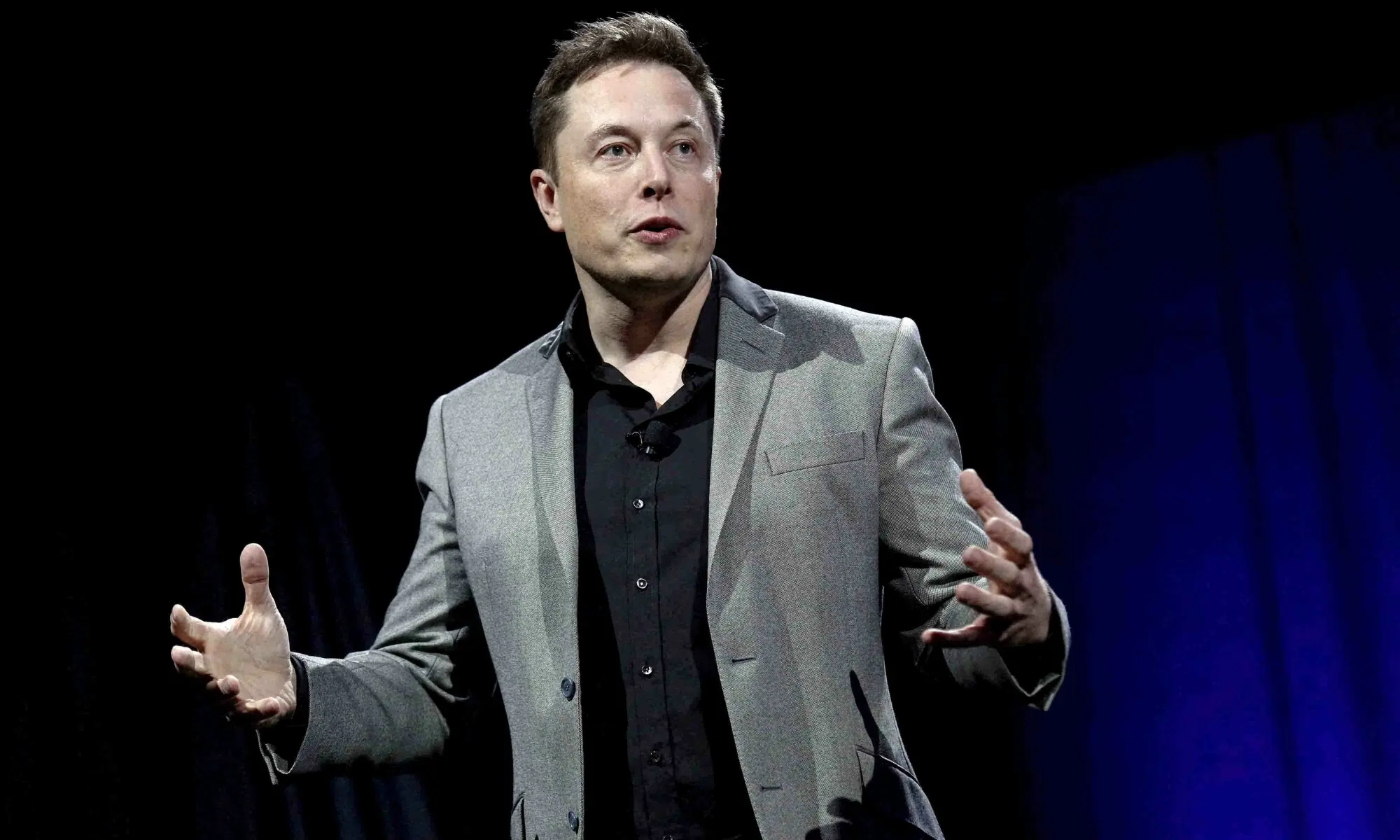
The Moment Everything Shifted
The rare comment that triggered global attention came during a discussion about artificial intelligence, ethics, and the future of humanity — topics Musk often speaks about with uneasy urgency.
Pressed on whether he believes humans have a moral anchor outside themselves, Musk paused.
Then he said something few expected:

“There has to be some kind of higher power or deeper reality that we’re part of. I think God exists — maybe not in the way people imagine, but I don’t think this is all random.”
The statement may sound philosophical, but for Musk — who typically dodges metaphysical questions — this was a revelation.
It was the first time he used the phrase “I think God exists.”
This wasn’t a quip. It wasn’t sarcasm. It wasn’t framed as metaphor.
It was the closest Musk has ever come to acknowledging faith.
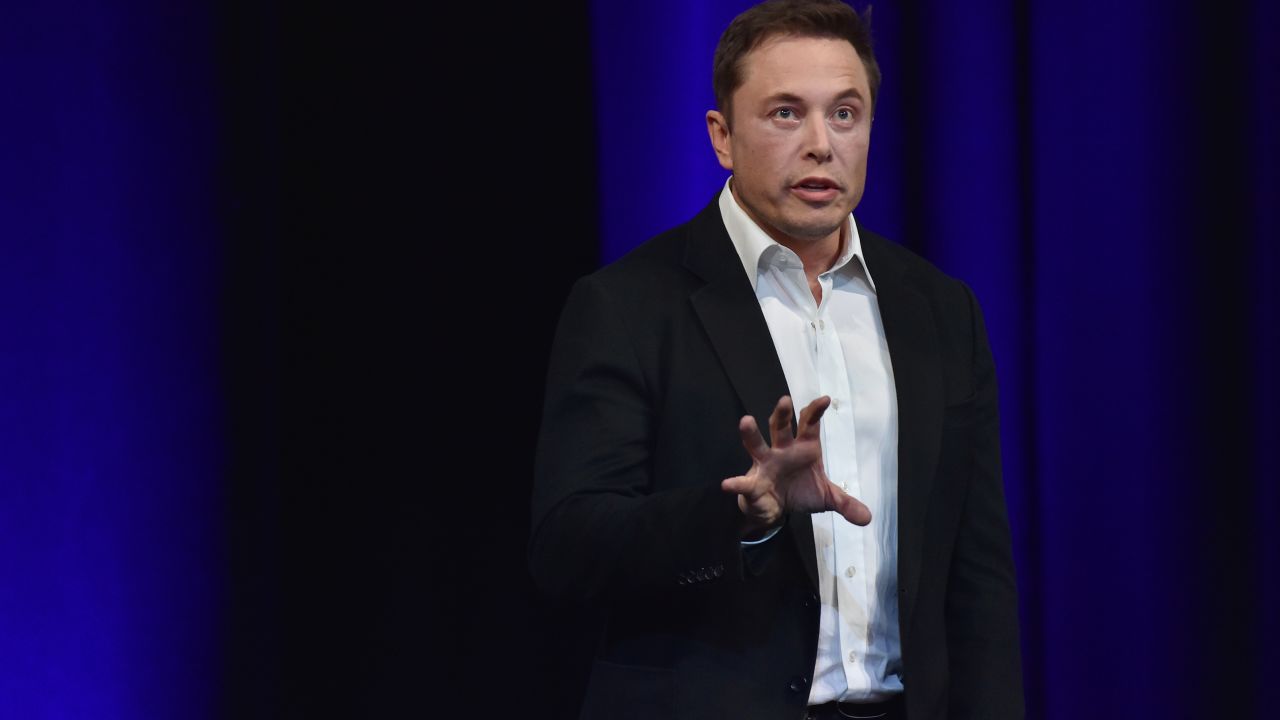
Immediately, the clip spread online. Religious bloggers hailed it as a conversion moment. Atheist forums accused him of pandering. Silicon Valley writers described it as “an unexpected confession from the high priest of rationalism.”
But was it truly a shift — or something he has hinted at for years?
A Pattern Hidden in Plain Sight
To understand Musk’s comment, we traced his statements about faith, ethics, and metaphysics across two decades. What emerges is a pattern that is often overlooked.
Musk has consistently spoken about a purposeful universe
He often rejects the idea that human existence is meaningless.
He once said:
“We should not assume consciousness is just an accident.”
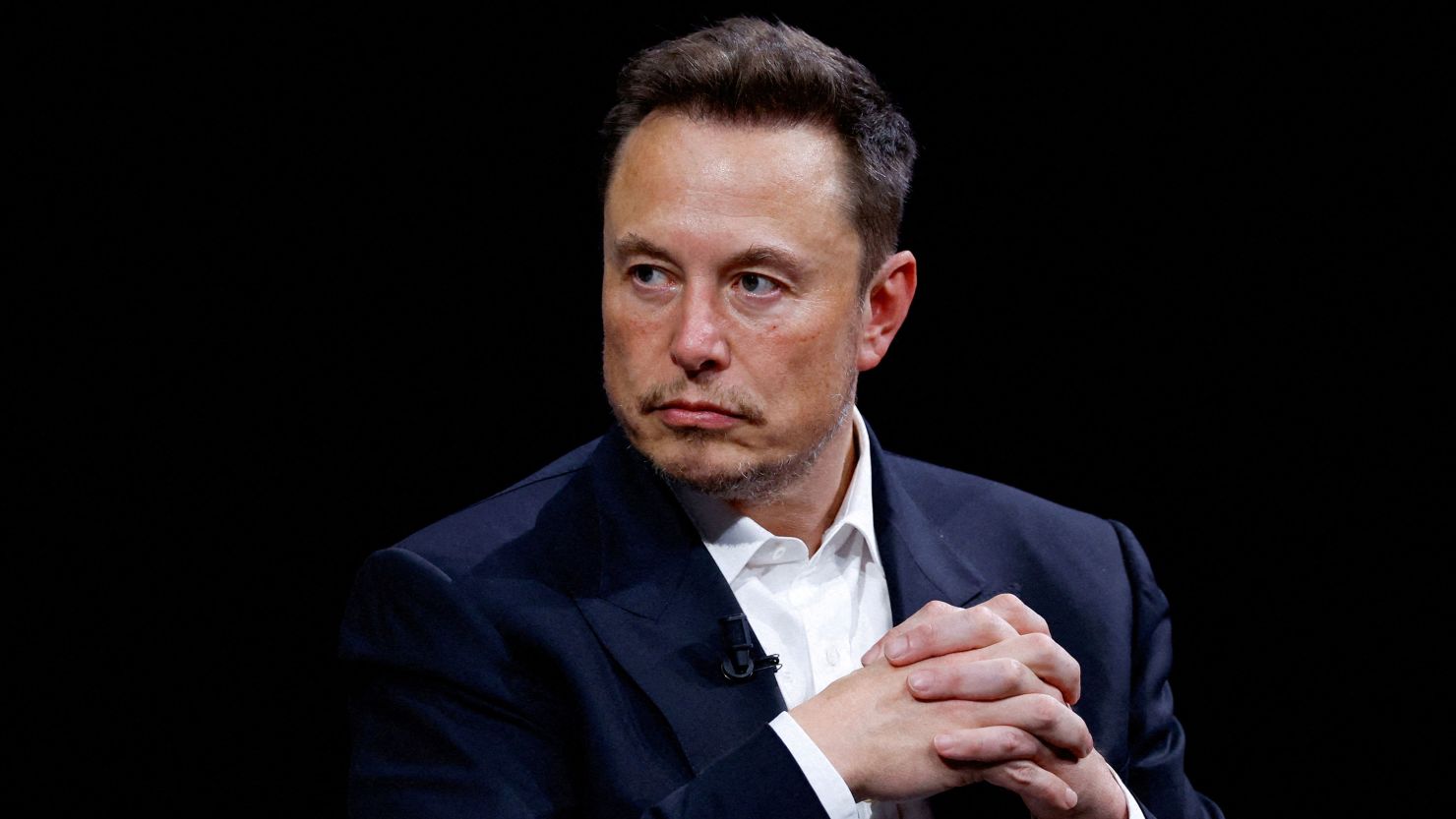
His warnings about AI often sound spiritual, not scientific
Musk has compared uncontrolled AI to “summoning the demon,” which echoes religious cautionary language.
He has urged humanity to adopt “a higher moral framework” before creating machines more intelligent than ourselves.
He has expressed admiration for Jesus’s ethical teachings
In interviews, Musk has said Jesus taught “great moral principles” and that “forgiveness is extremely important.”
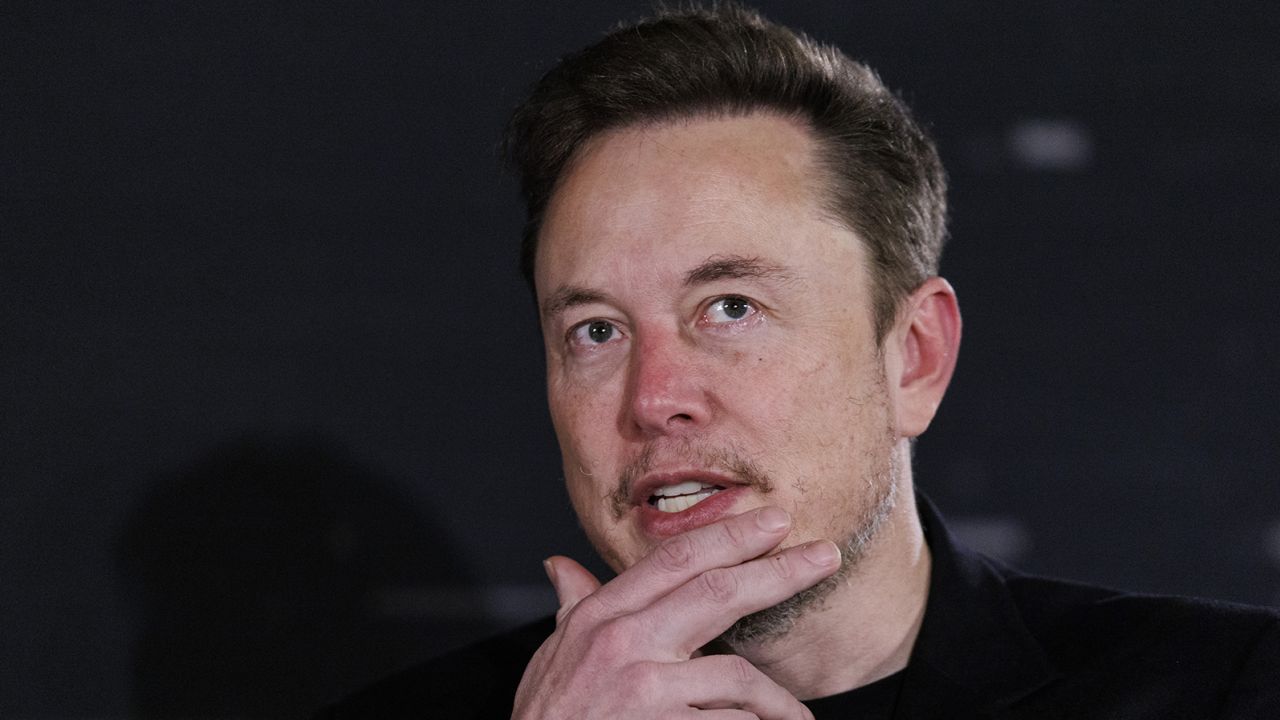
He often references destiny, purpose, and cosmic responsibility
He frames humanity’s survival — especially his Mars colonization plan — as a moral duty:
“We must preserve consciousness. It may be rare in the universe.”
This language, while not religious, is undeniably metaphysical.
The Philosophical Tension at the Heart of Musk’s Faith
The investigative question isn’t whether Musk is religious — he clearly isn’t in the traditional sense.
Rather, the question is:
Is Elon Musk developing a form of scientific theism?
If we analyze his statements:
He rejects organized religion.
He rejects the absence of meaning.
He rejects the idea that consciousness is random.
He rejects the idea that humans are the highest intelligence that will ever exist.
This leads to a worldview where:
the universe has purpose,
intelligence is sacred,
and a higher organizing force may exist even if physics does not yet describe it.
This is not atheism.
It is not conventional religion.
It is something closer to techno-spiritualism — a belief that advanced intelligence and cosmic structure imply a higher order.
Why Musk’s Admission Matters Right Now
Musk’s influence reaches:
the space industry
the electric vehicle market
satellite internet
AI development
social media
bioengineering
global geopolitics
When a man with this level of power even mentions belief in God, the impact is enormous.
It affects how people view the ethics of AI
If the world’s most powerful AI critic believes in a higher order, it gives moral weight to arguments for AI safety.
It influences the space-colonization narrative
Many have criticized Musk for treating Mars like a technological playground.
But if he views consciousness as sacred, Mars becomes not conquest — but stewardship.
It impacts political and cultural conversations
Musk’s platforms carry enormous social influence.
A public acknowledgment of God, however abstract, reshapes how millions interpret his motives.
It could signal a shift in his personal evolution
Tech titans often become more spiritual as they age — Jobs, Bezos, Gates have all expressed metaphysical curiosity.
Musk may be entering a similar phase.
The Pushback: Skeptics Call It PR — Or Strategy
Not everyone buys it.
It’s strategic rebranding
Some analysts argue Musk is trying to appeal to conservative and faith-based audiences that dominate large portions of the U.S. consumer and voter base.
It’s AI-related positioning
By speaking about moral frameworks and higher powers, Musk may be setting the stage for stricter AI regulations.
It’s philosophical drift, not spiritual awakening
Others argue Musk isn’t turning religious — only grappling with the same existential questions that many thinkers face when dealing with AI and cosmic exploration.
Is Musk Moving Toward Faith — Or Just Toward Mystery?
After reviewing dozens of his remarks, a pattern becomes clear:

Musk is not aligning with a church.
He is not embracing doctrine.
He is not declaring faith in the traditional sense.
But he is acknowledging something profound:
**A universe with intention.
A reality beyond randomness.
A higher order that may guide existence.**
Whether one calls that God, consciousness, physics, or something else — Musk is admitting that the universe may not be merely mechanical.
That alone represents a major shift.
Conclusion: The Tech Titan Who Finally Looked Up
Elon Musk’s rare admission about believing in a higher power has resonated far beyond his usual circles. It was not loud. Not doctrinal. Not dramatic. But it was enough to make the world pause.
For decades, Musk has asked humanity to look outward — to Mars, to the stars, to the future.
This may be the first time he has asked us to look upward.
Not toward rockets.
Not toward satellites.
But toward purpose itself.
Whether this marks the beginning of a spiritual transformation, a philosophical evolution, or simply a fleeting moment of honesty, only Musk knows.
But one thing is certain:
For the first time, the man who builds machines to reach space may be hinting that something — or someone — already rules it.