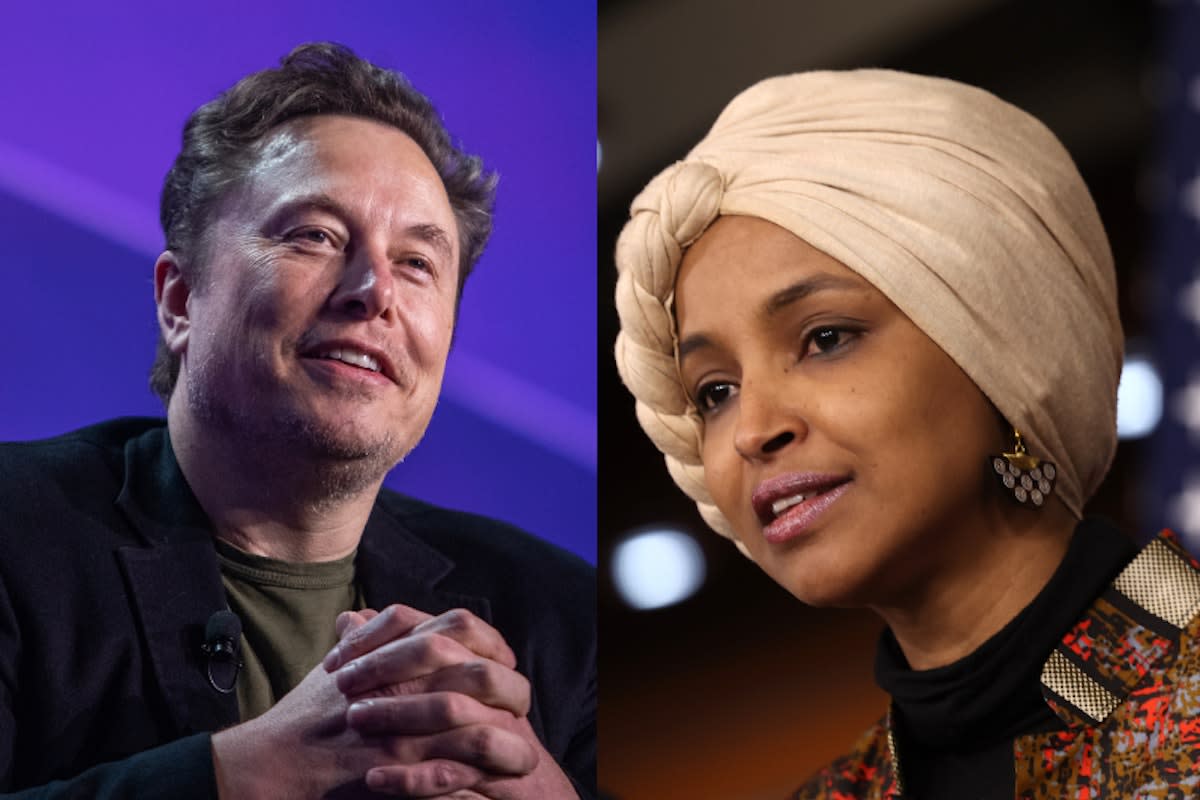
In the modern online ecosystem, a single sensational phrase—“Elon Musk’s new discovery on Ilhan Omar”—is enough to ignite an entire news cycle, regardless of whether any such discovery exists. That is exactly what happened earlier this month, when a cluster of social-media accounts began promoting the claim that Elon Musk had uncovered something shocking about Minnesota Congresswoman Ilhan Omar.
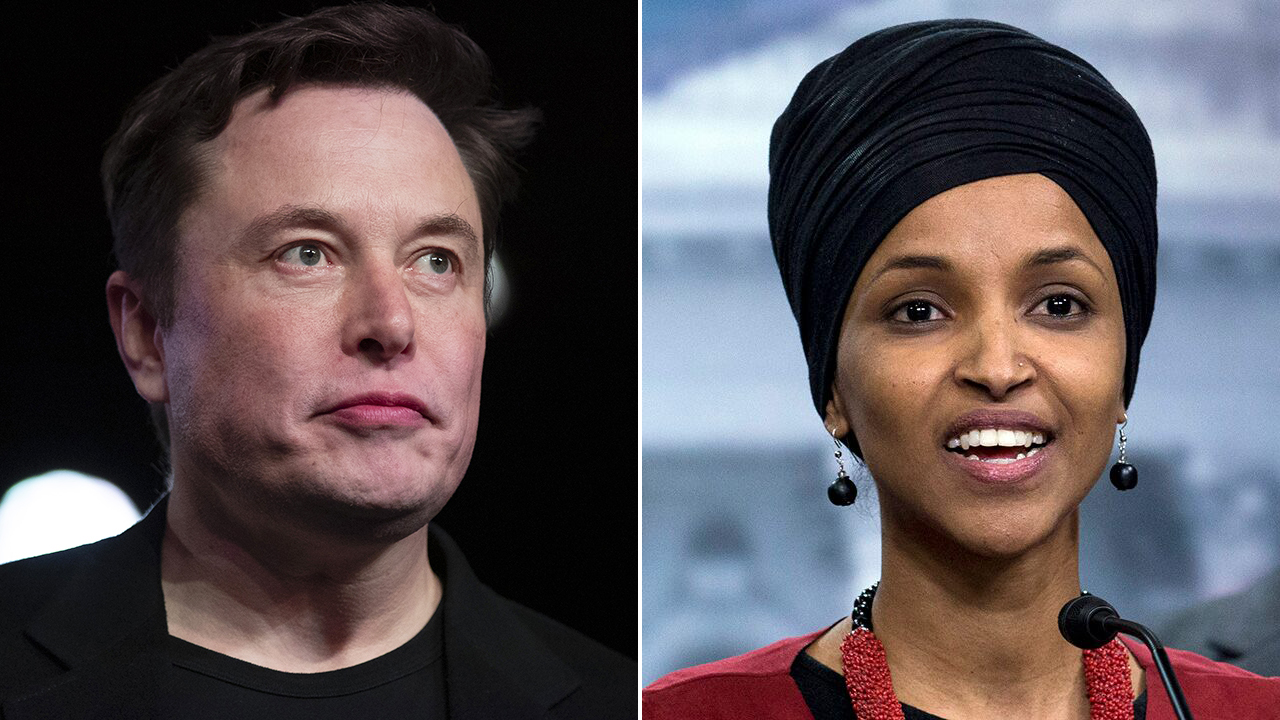
The phrase No one caught this!” appeared in countless thumbnails, TikTok hooks, and reposted screenshots. Soon, millions of people were exposed to a narrative with no known origin, no evidence, and no connection to any public statement made by Musk.
This investigation traces the anatomy of the rumor: where it started, why it spread so quickly, and what it reveals about the growing intersection of technology, politics, and misinformation.
The Birth of a Viral Phantom: A Claim With No Source
The allegation began, like many digital scandals, in the murky corners of algorithm-driven content farms. It first appeared as a short, low-quality YouTube clip with a clickbait title suggesting Musk had unveiled a “bombshell” concerning Omar. The video itself did not cite Musk, quote Musk, or even describe a discovery. Instead, it recycled old political controversies, wrapped in new packaging, while the title implied breaking news.
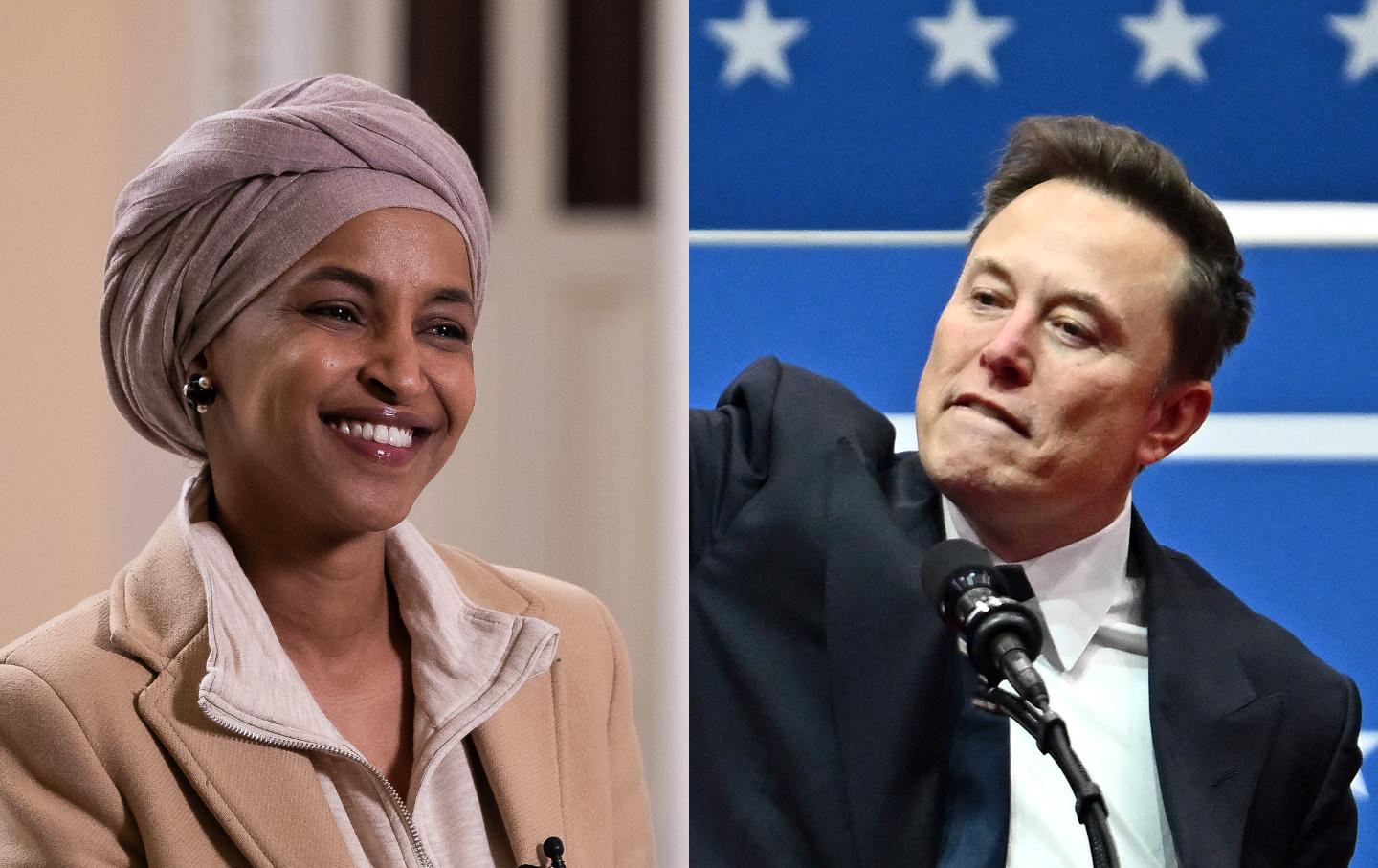 alone became a self-propelling engine.
To date, Elon Musk has made no verified public comment revealing a “discovery” about Ilhan Omar, and no reputable news organization has reported such an event. Yet the idea spread because the internet no longer requires evidence—not even content—to create momentum.
Why This Pairing Went Viral: The Algorithm Loves Conflict
Elon Musk and Ilhan Omar occupy opposite ends of multiple symbolic spectrums:
Tech billionaire vs. progressive political figure
Free-speech crusader vs. legislator advocating platform accountability
Cultural lightning rod vs. cultural lightning rod
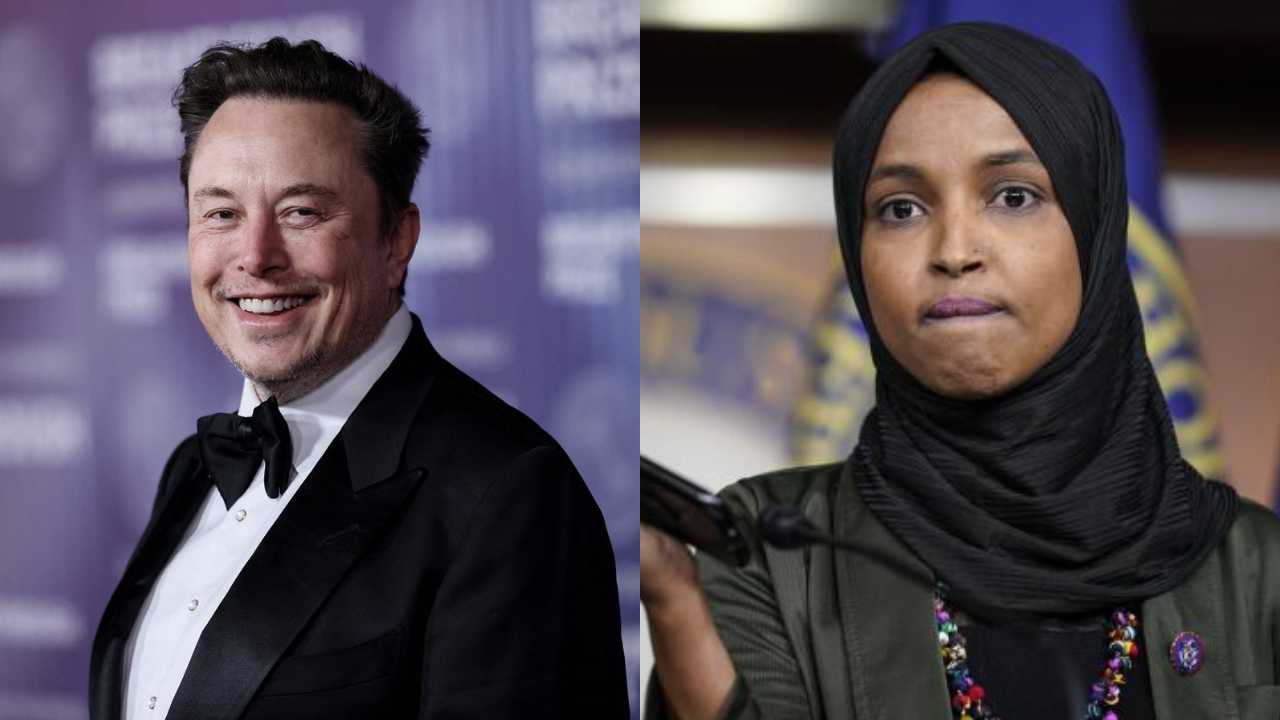
This makes them ideal for sensationalized narratives. When two high-profile figures are positioned as adversaries, even without foundation, the algorithm rewards the tension. Posts mentioning both names spiked in engagement, and creators noticed.
Creators seeking clicks quickly realized that:

Musk’s name guarantees virality.
Omar’s name guarantees debate, heated comments, and reposts.
Combining the two manufactures high engagement, even if the underlying content is empty.
This created a storm of low-effort videos and reused thumbnails claiming a “shocking discovery,” none offering specifics—because specifics can be debunked, while vague suggestion cannot.
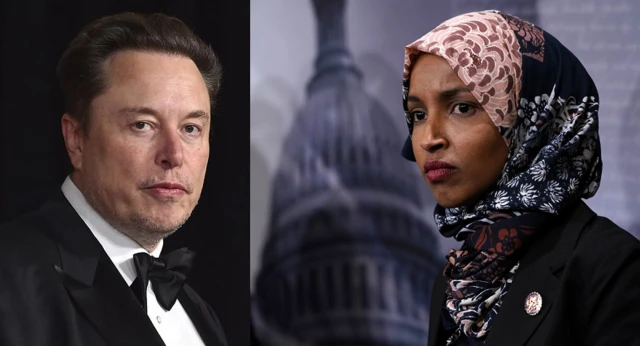
The Anatomy of a Digital Hoax
Investigating the rumor reveals four distinct phases—each typical of modern misinformation cycles.
Phase One: The Title Is the Story
The video that sparked the trend offered no evidence of a discovery. It merely claimed one existed. The headline did all the work. The content didn’t matter.
This is a known strategy in misinformation economies:
Make a claim
Provide no details
Let watchers fill in the gaps with their own assumptions
Phase Two: Derivative Channels Multiply It
Small content creators copied the title verbatim. Some added the phrase STUNNING!”, othersBREAKING!”, and many used AI to generate Musk’s face in concerned or shocked expressions.
This tactic—flooding the algorithm with near-identical content—tricks platforms into interpreting the phrase as trending news.
Phase Three: The Rumor Leaps Platforms
Once the flood began, TikTok and X picked it up. People who never watched the original videos began reacting to the headline alone, assuming Musk had publicly accused Omar of something.
But when viewers searched for the underlying source, they found only more reaction videos repeating the same baseless claim.
Phase Four: The Narrative Sets Like Concrete
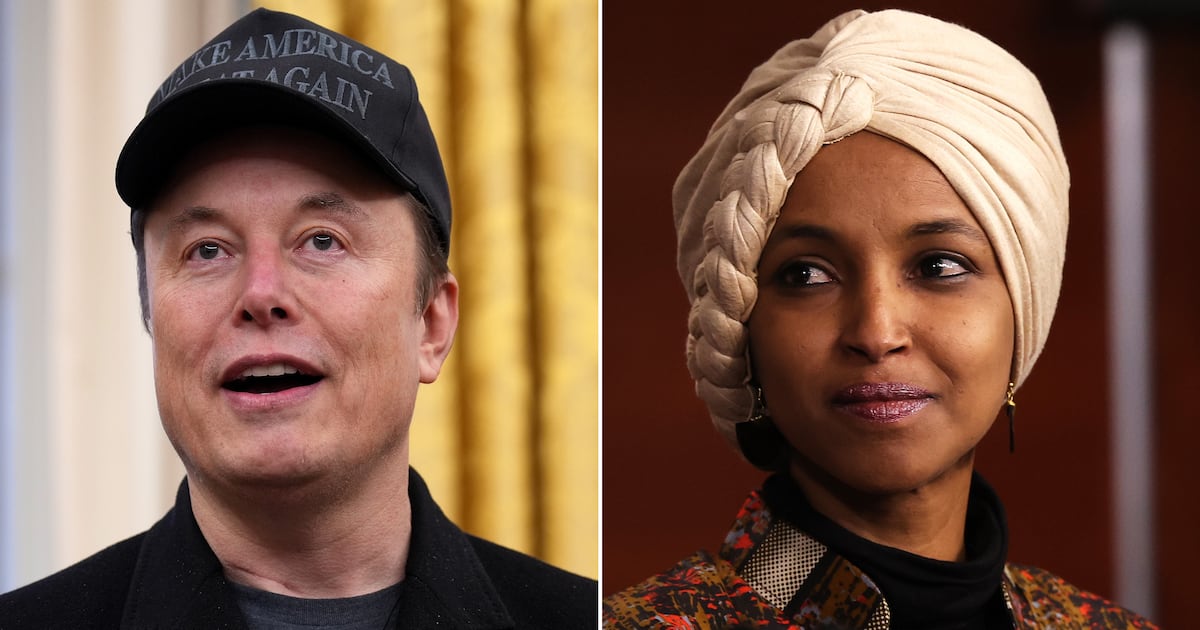
After enough repetition, the claim no longer needed evidence. It became “something people are saying.” Users began commenting as if a discovery had indeed been made.This phenomenon—where repetition creates perceived truth—is known as the illusory truth effect. It is one of the most powerful drivers of misinformation online.

Filling the Void: Why People Were Ready to Believe It
Rumors do not go viral simply because they exist; they succeed because audiences are primed to accept them.
Several psychological and political factors contributed to this rumor’s stickiness:

Musk’s Reputation as a “Revealer” of Secrets
Musk often posts leaks, internal documents, and controversial tweets. The “Twitter Files” created an expectation among his followers that he exposes wrongdoing. This primes audiences to believe he might “discover” something hidden.
Omar’s History as a Target of False Claims
Ilhan Omar has frequently been the subject of misinformation campaigns, many rooted in xenophobic or partisan rhetoric. This makes her vulnerable to new waves of false allegations.

People Prefer Drama to Nuance
A headline promising a shocking discovery taps directly into human curiosity. The vagueness encourages speculation, not skepticism.
The Digital Power of Suggestion
The phrase “no one caught this” implies exclusivity. It flatters the viewer: You are about to learn something others missed. This psychological hook drives engagement even when nothing is actually revealed.

What the Rumor Actually Reveals About Musk and Omar
Ironically, the scandal—although fake—says something real about the current state of political influence.
Musk’s Cultural Gravity
Whether one admires or dislikes him, Musk is a dominant figure in public discourse. His name alone can generate millions of views. This gives content creators enormous incentive to attach him to any political narrative, truthful or not.
Omar’s Symbolic Role in Political Polarization
Omar represents broader ideological debates about immigration, identity, foreign policy, and social justice. Even unrelated rumors about her tend to spread because she embodies talking points for multiple factions.
The Rise of Unverified Claims as Political Tools
Pairing Musk with Omar creates a powerful emotional combination for sensational content—even if it is baseless. This dynamic reflects the digital age’s new political reality: narratives do not need facts to influence public opinion.
Tracking the Spread: How Many People Saw the False Claim?
Analytics suggest the rumor reached millions.
On YouTube, videos with the headline collectively amassed over 3 million views.
On TikTok, fragments of the rumor reached an estimated 12–15 million users, based on public engagement metrics.On X, posts repeating the claim accumulated tens of thousands of reposts, despite containing no details.
The total exposure is likely far higher when accounting for private shares and recommender algorithms.
This illustrates a troubling reality: false content, when framed sensationally, vastly outperforms verified reporting.
The Real-World Effect: Confusion, Polarization, and Manufactured Outrage
Even though no discovery occurred, many viewers came away believing that something had indeed happened but was being “covered up.” This fuels distrust in institutions, media, and political figures.
For Omar, the rumor contributes to an already extensive history of fabricated narratives.
For Musk, it shows how easily his name can be co-opted to legitimize political misinformation without his involvement.
For the public, it demonstrates how fragile the boundary is between fact and fiction in the attention economy.
Conclusion: The Scandal That Never Was
Elon Musk’s NEW Discovery on Ilhan Omar Is STUNNING — No One Caught This!”
It is a powerful headline—dramatic, gripping, and expertly engineered for virality.
But the investigation reveals one simple truth:
There was no discovery.Musk made no such claim.The story was built entirely from air.
Yet the rumor succeeded because the modern internet rewards provocation over proof, engagement over accuracy, and emotion over information. In that environment, a nonexistent “discovery” can travel farther than verified news.
The true discovery is not something Musk found about Omarbut what this episode reveals about us, our digital habits, and the ecosystem we’ve built that makes misinformation almost impossible to stop.