In recent months, a story has emerged that has shocked both local and international observers: a Somali refugee living in Europe has publicly called out fraudulent activity within parts of his own community. The scandal, which touches on social trust, government aid, and cultural pressures, has sparked heated debates among journalists, policymakers, and the Somali diaspora worldwide.

This investigation examines the allegations, the whistleblower’s motivations, community reactions, and the broader implications of fraud in refugee and migrant communities.
The Whistleblower and the Allegations
The individual at the center of this scandal, whom we will refer to as Ahmed (pseudonym for privacy), arrived in Europe as a refugee in 2015. Like many refugees, Ahmed initially faced the dual challenge of adapting to a new society while navigating government bureaucracy for housing, employment, and social benefits.
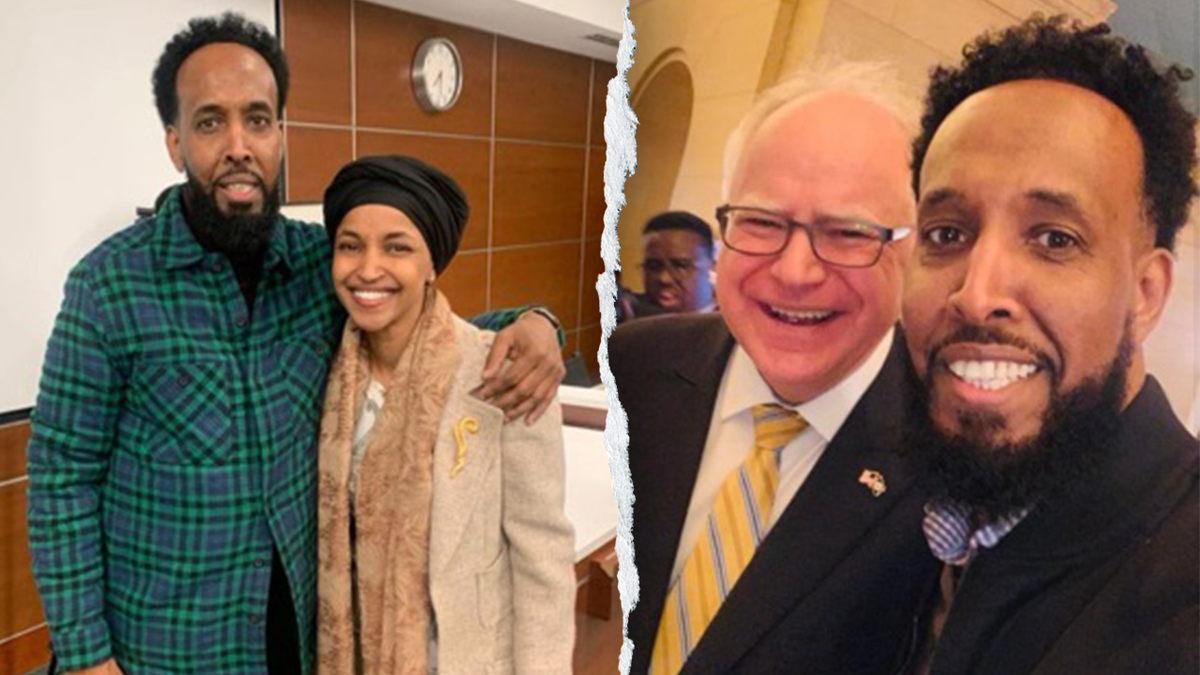
In late 2025, Ahmed came forward publicly to reveal that some members of the Somali community were engaging in systematicwelfare fraud, identity manipulation, and misrepresentation of personal circumstances in order to claim financial aid intended for the most vulnerable. According to Ahmed, these practices included:
Exaggerating family size or misreporting household members to increase welfare allocations.
Subletting government-provided housing illegally while still receiving full benefits.
Falsifying employment or income declarations to maintain eligibility for social support.
Ahmed described his own moral struggle: he feared ostracism and retaliation from his community but ultimately chose to speak out because “silence would make me complicit in harming the very society that gave us refuge.”
The Socioeconomic Context
To understand why such fraud occurs, it is necessary to examine the socioeconomic pressures faced by refugee communities:
Economic Vulnerability: Many Somali refugees arrive with limited skills or educational credentials recognized in the host country, leaving them dependent on social welfare.
Housing and Employment Barriers: Discrimination and bureaucratic hurdles often confine refugees to low-income neighborhoods, where informal economic arrangements are common.
Cultural Expectations: In some cases, community norms emphasize mutual support and collective survival, sometimes leading to bending rules or concealing illicit activities to protect family and friends.

Ahmed’s revelations shed light on the tension between community solidarity and legal accountability — a recurring theme in many migrant populations worldwide.
![Will Cain hones in on reported fraud schemes across Minnesota [Video]](https://s.yimg.com/ny/api/res/1.2/5Z6Hx4FictI__t2UXbR6dg--/YXBwaWQ9aGlnaGxhbmRlcjt3PTY0MDtoPTUxMg--/https://media.zenfs.com/en/aol_the_guardian_702/cd56be422f1e1a97df60f6a29daa749d)
The Mechanics of the Fraud
According to the whistleblower, fraud was not an isolated phenomenon but a structured network of opportunistic practices:
Multiple Identity Claims: Some individuals used variations of their names or registered family members under different households to claim double benefits.
Manipulating Public Services: Fraudulent claims were submitted for housing, healthcare, and unemployment benefits simultaneously.
Collusion with Service Providers: Ahmed alleged that in some cases, landlords or service providers knowingly participated in the schemes, motivated by financial gain.

Although authorities are still investigating the claims, preliminary audits in some municipalities have confirmed irregularities in benefit disbursement patterns consistent with Ahmed’s account.
Community Reactions
Ahmed’s decision to come forward has been met with >mixed reactions:
Supporters of Transparency: Some members of the Somali diaspora praised Ahmed’s courage, emphasizing that exposing wrongdoing strengthens communal reputation in the long term.
Critics of Public Disclosure: Others view his actions as a betrayal, arguing that internal matters should be handled within the community to prevent stigmatization and discrimination.
Neutral Observers: Social workers and NGO representatives have noted that while fraud is damaging, it is often a symptom of broader systemic inequities rather than purely cultural deficiencies.
Local newspapers covering the scandal noted a surge in debates about how to balance cultural sensitivity with rule-of-law enforcement, particularly in minority and refugee communities.
The Role of Host Governments
Governments in countries hosting refugees face the complex task of ensuring welfare programs reach their intended recipients while avoiding overreach and discrimination. Ahmed’s allegations raise questions about:
Effectiveness of Verification Systems: Are current methods for assessing eligibility robust enough to detect and prevent fraud?
Integration Support: Does the lack of language training, employment assistance, or educational access contribute to the temptation to exploit welfare systems?Cultural Mediation: Are there culturally competent avenues for whistleblowers to report fraud without risking social ostracism?
Some municipalities have responded by initiating audits and community workshops, aiming to educate residents about legal obligations while providing support for compliance. These measures are designed to address fraud without undermining the social cohesion of refugee communities.
Psychological and Social Dimensions
Ahmed has described the personal toll of whistleblowing:
Fear of Retaliation: Speaking out exposed him to threats and social isolation.
Guilt and Ambivalence: Reporting fellow community members created an internal conflict between moral duty and communal loyalty.
Empowerment through Accountability: Despite the stress, Ahmed stated that taking action allowed him to reclaim agency and advocate for fairness.
Experts in refugee studies note that such cases highlight the moral dilemmas faced by individuals navigating complex systems of survival, loyalty, and legality. Ahmed’s decision to act underscores a broader need for safe reporting channels and community engagement strategies.

Broader Implications for Policy and Oversight
The Somali fraud scandal illustrates several critical policy considerations:
Strengthening Verification Without Alienation: Welfare systems must ensure proper oversight while avoiding policies that stigmatize entire communities.
Community-Based Monitoring: Encouraging community leaders to play an active role in promoting accountability can help bridge trust gaps.
Support for Whistleblowers: Mechanisms for anonymous reporting and protection are essential in contexts where social pressure discourages disclosure.
Addressing Root Causes: Poverty, unemployment, and marginalization are often the underlying drivers of opportunistic fraud. Holistic solutions require investment in education, vocational training, and integration programs.
Ahmed’s revelations could serve as a case study for other refugee-hosting countries, demonstrating both the vulnerabilities in welfare systems and the courage needed to ensure accountability.
Media Coverage and Public Discourse
The scandal has gained traction in both local and international media. Headlines have ranged from sensationalized portrayals of “community betrayal” to nuanced discussions about the systemic pressures leading to fraud. Social media, in particular, has amplified divergent opinions:
Some platforms highlight Ahmed as a hero for transparency, emphasizing the importance of legal compliance.
Others focus on community backlash, raising questions about loyalty, trust, and stigmatization.
Commentary from NGOs and policy analysts frames the situation as a cautionary tale about the unintended consequences of poorly integrated welfare systems.
The discourse underscores the challenge of reporting sensitive community issues in a way that is both accurate and responsible.

Ethical Considerations
Investigating fraud within marginalized communities requires careful ethical consideration. Key concerns include:
Protecting Identity: Ensuring whistleblowers and implicated individuals are not publicly exposed in ways that compromise safety.

Avoiding Stereotypes: Avoiding the framing of entire ethnic or refugee groups as inherently fraudulent.
Balancing Transparency and Privacy: Reporting facts while respecting cultural norms and personal dignity.
Ahmed’s case demonstrates the fine line journalists and investigators must walk between exposing wrongdoing and respecting vulnerable populations.
Conclusion: Courage, Accountability, and the Path Forward
The Somali refugee scandal, brought to light by a member of the community himself, is more than a story of fraud. It is a reflection of:
Complex social dynamics within refugee populations.
Systemic vulnerabilities in welfare and integration systems.
The moral courage required to speak out against wrongdoing.
Ahmed’s actions have sparked debate, prompted governmental review, and challenged both the Somali diaspora and host societies to rethink how to foster ethical responsibility without alienation. While the investigation continues and authorities are auditing claims, the scandal has already set a precedent: in any community, integrity sometimes requires courage — even when that courage leads to personal risk.
In a globalized world facing waves of migration, cases like this serve as reminders that fraud is rarely an isolated moral failing. It emerges from a web of social, economic, and institutional factors, and addressing it requires nuanced, multi-faceted solutions. Ahmed’s decision to call out fraud within his own community highlights the enduring power of individual accountability and the critical role of ethical leadership in building trust.