MICHELLE OBAMA’S $100M LAWSUIT DETONATES IN COURT — THE NINE-SECOND TESTIMONY THAT TURNED A LEGAL SHOWDOWN INTO A NATIONAL EARTHQUAKE
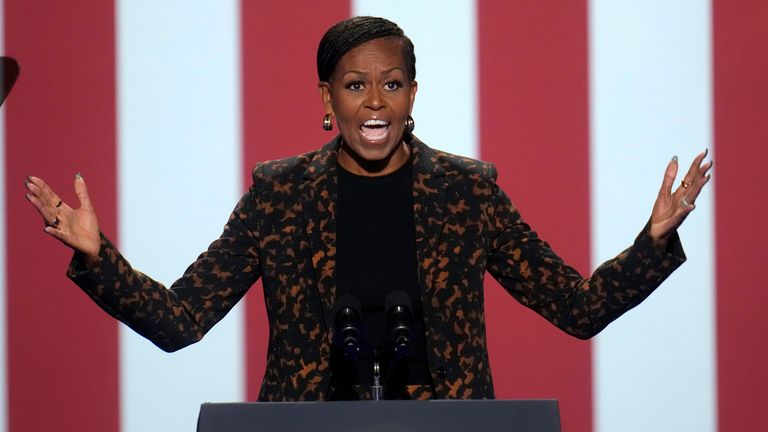
What unfolded inside Orleans Parish Civil Court began as a routine defamation battle wrapped in celebrity gravitas, but it quickly spiraled into one of the most politically radioactive courtroom implosions America has witnessed this decade, fueled by tension, disbelief, and a witness no one expected.
Michelle Obama’s $100 million suit against Senator John Kennedy began with the confident swagger of a public figure certain the system would validate her narrative, yet from the first hour it carried an undercurrent of dread neither side dared acknowledge.
Kennedy’s legal team understood perfectly that the case hinged not on rhetoric but documentation, and as the gallery filled with reporters, donors, and operatives, whispers spread that Kennedy had secured a witness capable of altering the entire trajectory.
The moment Tara Reade entered—former HHS aide, IRS auditor, and a name forever attached to political storms—the courtroom air thinned as though everyone sensed her testimony would not merely challenge Michelle’s claims but threaten the foundation’s core structure.
Under oath, Reade delivered a nine-second detonation that rewired the case instantly, stating Michelle personally signed each wire transferring $240 million into Cayman-based shells while providing zero receipts for the girls’ programs publicly promoted as the foundation’s centerpiece.
The room stopped breathing as Exhibit 47 appeared on screens, displaying a stark ledger of donations from 2018 to 2025, revealing only $1.8 million reaching Chicago girls’ initiatives despite years of speeches insisting the foundation uplifted marginalized youth.
When Reade pointed out that the foundation reported nonexistent health programs costing $42 million, jurors exchanged glances that signaled growing turmoil, especially when the documents showed Michelle’s signature on every transfer above the threshold of five million dollars.
Neal Katyal’s team attempted to challenge authenticity, but Judge Harlan Crowe quickly overruled objections, emphasizing that the metadata, timestamps, and IRS routing confirmations matched federal verification procedures, leaving the defense visibly stunned and scrambling for footing.
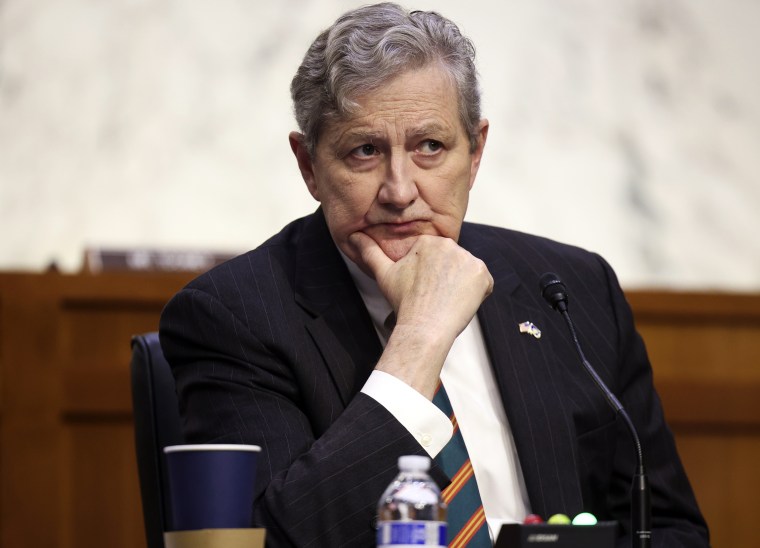
What had been framed as a clear-cut defamation suit now resembled a forensic excavation of a philanthropic empire’s internal mechanics, forcing jurors to reconsider whether Kennedy’s “slush fund in designer heels” remark was insult or inadvertent understatement.
By the fourth hour, courtroom analysts noted a shift in Michelle’s posture, from confident composure to tight-jawed restraint, as her attorneys hesitated to cross-examine Reade, fearing deeper revelations might erupt under prolonged questioning.
Observers described the silence during the jury’s retreat as heavier than any political chamber, and when they returned just fifty-two minutes later, it became obvious the outcome had solidified long before closing arguments concluded.
Kennedy was declared not liable on all counts, triggering a cascade of reactions—from gasps in the gallery to frantic phone calls from operatives whose careers hinged on the Obama brand remaining untarnished and legally unchallenged.
Michelle exited the building immediately as cameras swarmed, avoiding questions about wire transfers, offshore accounts, and program discrepancies, while her communication team released a statement dismissing the testimony as baseless despite public access to the exhibits.
The rhetorical strategy faltered instantly when Florida Attorney General Ashley Moody announced coordinated FBI raids on the foundation’s servers at dawn, indicating the documents presented in court met the threshold for federal inquiry rather than media speculation.
Online, the political battlefield ignited at once, with Kennedy posting screenshots of the wire routes and captioning them with the cutting line “Lawsuits don’t erase signatures,” a phrase that rocketed across platforms like a digital explosion.

Within forty-one minutes, #MichelleSlushBomb amassed more than 1.7 billion impressions, fueled by influencers, politicians, algorithm amplifiers, and outraged donors who demanded explanations for how $240 million vanished without transparent documentation.
Democrats decried the entire spectacle as a coordinated political ambush, yet their messaging fractured as younger progressives questioned whether philanthropic institutions had grown too intertwined with celebrity power, creating oversight gaps ripe for exploitation.
Republicans, sensing opportunity, framed the verdict as a cultural reckoning against elite immunity, highlighting how quickly public sympathy evaporates when financial inconsistencies collide with accusations of rhetorical suppression through legal intimidation.
Trump entered the fray with gleeful bluntness, declaring Kennedy had “NUKED THE SLUSH,” sparking a frenzy among supporters who interpreted the verdict as vindication of long-held suspicions about political foundations masking opaque financial structures.
Inside Beltway circles, strategists whispered that the collapse of Michelle’s case represented more than a courtroom loss—it symbolized a seismic shift in how the public interprets celebrity-political alliances, especially when philanthropic claims lack verifiable substance.
Some Democratic donors privately expressed panic that the ruling would deter contributions to other legacy-branded initiatives, fearing investigations could expand and expose additional financial irregularities, sending shockwaves across the philanthropic ecosystem.
Meanwhile, Kennedy’s approval numbers surged overnight as constituents praised his refusal to retract the comment that catalyzed the lawsuit, interpreting his stance as evidence he would not bow to political royalty or cultural sanctification.
Critics argued the case signaled a dangerous precedent where courtroom theatrics overshadow meaningful policy debates, yet supporters countered that transparency was itself a political issue, and accountability had been selectively enforced for far too long.
Reporters outside Orleans Parish described the atmosphere as surreal, noting that many attendees expected a symbolic win for Michelle rather than an evidentiary implosion that would redefine the public’s understanding of her foundation’s operations.
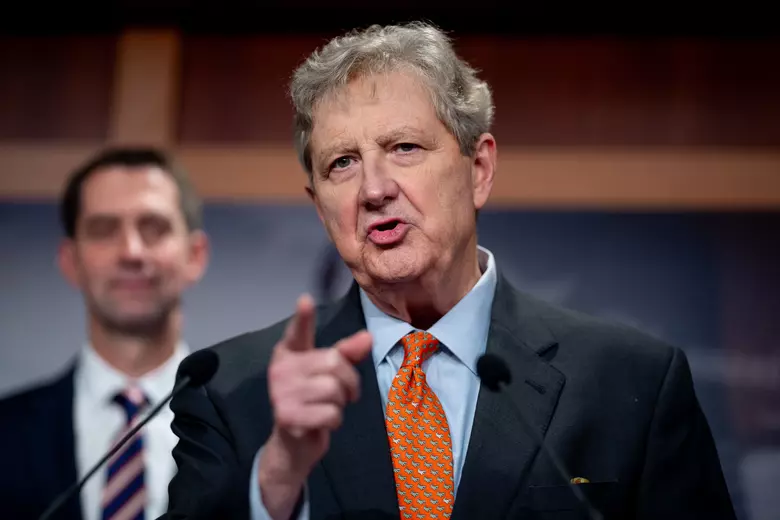
As midnight approached, legal analysts dissected the strategic miscalculations, concluding Michelle’s team underestimated the risk of discovery, mistakenly believing the suit would intimidate Kennedy into settlement rather than embolden him to expose internal records.
The following day, political talk shows featured heated exchanges about whether prominent public figures should face enhanced scrutiny when using moral authority as currency, especially when philanthropic narratives intertwine with partisan influence.
In Chicago, community leaders expressed frustration, saying the scandal cast doubt on countless legitimate nonprofit efforts, creating skepticism that would disproportionately harm smaller organizations lacking the reputation power to survive public distrust.
Federal officials neither confirmed nor denied ongoing investigations, but sources inside regulatory agencies suggested the court exhibits triggered statutory triggers requiring mandatory review, meaning this controversy might expand far beyond the courtroom.
What began as a legal attempt to reclaim dignity ended as a devastating reversal, unraveling years of carefully cultivated public image while elevating Kennedy from regional firebrand to national figure capable of toppling even the most iconic reputations.
The aftermath revealed a country deeply split, with one side insisting the revelations proved systemic hypocrisy, while the other claimed weaponization of legal processes, yet both agreed the nine-second testimony had permanently altered political conversations.
As analysts noted, this was not merely a courtroom defeat but a structural collapse, demonstrating how swiftly narratives crumble when financial records contradict public messaging, especially in an era where digital scrutiny amplifies every inconsistency.
By week’s end, what remained was a nation debating whether this implosion represented justice, vengeance, or political theater, yet no one denied it reshaped Michelle’s public standing in ways few believed possible just days earlier.
And as new subpoenas loomed, one truth dominated discussions across Washington: once the wire signatures surfaced, the lawsuit stopped being a defamation case and became a catalyst for the fastest reputation collapse in modern political memory.