California Governor Gavin Newsom, one of the most prominent Democratic figures in U.S. politics, is facing a critical moment in his career. As discussions about his potential presidential ambitions intensify, developments regarding Immigration and Customs Enforcement (ICE) operations in the state have added new layers of political complexity. From high-profile deportation cases to debates over sanctuary policies, Newsom’s handling of federal immigration enforcement is now intertwined with his political future. This investigative report examines the unfolding scenario, the political and social implications, and the broader dynamics of immigration enforcement in California.
o Lieutenant Governor and ultimately to Governor, he has consistently championed progressive policies on healthcare, climate change, and social justice. As of late 2025, speculation about his potential bid for the 2028 Democratic presidential nomination has been intensifying.
However, political observers note that his position is vulnerable. Newsom faces criticism on multiple fronts: the state’s cost of living crisis, homelessness, wildfire management, and now immigration enforcement. The stakes are high; his response to ICE operations may either bolster his national image as a progressive leader or expose vulnerabilities that could influence his future ambitions.
ICE Operations in California: A Rising Flashpoint

Immigration and Customs Enforcement (ICE), the federal agency responsible for enforcing immigration laws, has increased its presence and operations in California over the past year. Several factors have contributed to this rise:
Federal Policy Shifts: Changes in administration priorities have led to more aggressive enforcement of deportation orders. ICE has been authorized to target individuals with criminal records, recent arrivals without legal status, and those who have previously avoided deportation.
Sanctuary State Laws: California’s sanctuary policies, which limit local cooperation with federal immigration authorities, have created friction between state and federal authorities. These laws protect undocumented immigrants from certain federal enforcement actions but have also been criticized as enabling illegal immigration.

High-Profile Raids: Media coverage of ICE raids in California — particularly in Los Angeles, San Francisco, and the Central Valley — has amplified public attention. In several cases, families were separated, prompting widespread protests and political debates.
The intersection of these operations with Newsom’s policies has made immigration a central political issue for the governor.
Political Ramifications for Newsom
Newsom’s handling of ICE operations affects his political capital in several ways:
Support Among Progressives
Progressive voters largely favor protecting undocumented immigrants and restricting federal enforcement within the state. Newsom has positioned himself as a defender of immigrant rights, reinforcing his image as a leader aligned with social justice and civil liberties.
Criticism from Moderates and Conservatives
At the same time, critics argue that California’s sanctuary policies embolden illegal immigration and make the state a magnet for individuals who violate U.S. law. ICE operations targeting these populations are sometimes presented as necessary for law enforcement, public safety, and national security. Newsom faces scrutiny over whether his policies adequately balance compassion with the rule of law.
Implications for National Ambitions
Any potential presidential run depends on Newsom maintaining broad appeal across the Democratic Party while avoiding alienating moderate voters in swing states. Immigration enforcement, particularly in a state with nearly 11 million immigrants, is a high-profile issue that could define his political brand for years to come.
Key ICE Operations and Controversies
Several ICE operations in California have become flashpoints in the debate:
Workplace Raids
In mid-2025, ICE conducted large-scale workplace raids targeting industries employing undocumented workers, including agriculture, construction, and hospitality. These raids resulted in hundreds of arrests and deportations, sparking protests and public criticism.
Critics argue that these raids disrupted local economies and devastated immigrant communities. Supporters counter that targeting illegal employment ensures compliance with federal law and deters exploitation.
Community-Based Arrests
ICE has also pursued community-based operations, detaining individuals in public spaces, schools, and hospitals. These actions have raised ethical questions and increased tension between state and federal authorities, particularly in jurisdictions with strict sanctuary laws.
Legal Challenges
Multiple lawsuits have been filed against ICE operations in California. Courts have scrutinized issues such as detainment procedures, warrant requirements, and compliance with state laws limiting local cooperation. These legal battles shape the operational environment for ICE and affect public perception of both the agency and state leadership.
Newsom’s Policy Responses
Governor Newsom has taken several steps in response to ICE operations:
Strengthening Sanctuary Protections: Newsom has signed executive orders and legislation reinforcing protections for undocumented immigrants, including restrictions on state and local cooperation with federal authorities.
Advocating for Federal Reform: He has publicly called for comprehensive immigration reform, emphasizing pathways to citizenship, improved border security, and humane enforcement practices.
Support for Legal Aid Programs: Newsom has increased funding for organizations providing legal representation for immigrants facing deportation, reinforcing his administration’s commitment to due process.
These actions reflect an effort to balance enforcement realities with California’s progressive values.
Public Opinion and Media Coverage
Public perception of Newsom’s handling of ICE operations is complex:
Support from Immigrant Communities: Immigrant advocacy groups, civil rights organizations, and large segments of the Latino population generally approve of Newsom’s policies. They argue that sanctuary protections save lives and promote trust in law enforcement.

Backlash from Critics: Conservative media outlets, law enforcement associations, and some community groups argue that the governor’s policies undermine public safety and challenge federal authority.
Media Framing: National and local media coverage has highlighted both human stories of families affected by deportations and the broader legal and political debates, intensifying the issue as a potential campaign-defining topic for Newsom.
National Implications
California, as the most populous state and a major economic powerhouse, often sets the tone for national policy debates. Newsom’s handling of ICE operations has implications beyond state borders:
Presidential Politics: His stance may position him as a champion of progressive immigration policies in a potential national campaign. Alternatively, it could be used by opponents to portray him as soft on enforcement.
Policy Precedent: California’s approach influences other states with significant immigrant populations, including New York, Illinois, and Texas. Sanctuary laws, legal challenges, and state-federal negotiations in California serve as models or warnings elsewhere.
Federal-State Relations: ICE operations in California exemplify tensions inherent in federalism. How Newsom navigates these tensions could impact broader U.S. debates about the limits of federal power and state autonomy in enforcing or resisting immigration policy.

Challenges Ahead
Newsom faces several challenges as the situation unfolds:
Balancing Enforcement and Compassion: Ensuring public safety while protecting undocumented immigrants requires nuanced policy decisions. Overemphasizing one side risks political backlash and social unrest.
Navigating Legal Complexities: Ongoing lawsuits and federal court decisions could limit state authority, creating uncertainty in enforcement practices.
Addressing Public Perception: Media coverage and political opposition amplify scrutiny. Newsom must communicate effectively to maintain credibility and public support.
Preparing for Future ICE Actions: Anticipated increases in ICE operations, especially under federal enforcement priorities, will test California’s policies and Newsom’s leadership.
Broader Immigration Debate
The debate over ICE operations in California reflects national tensions over immigration policy:
Pathways to Citizenship: Advocates argue for reforms allowing undocumented immigrants to regularize their status, emphasizing economic contributions and social integration.
Border Security: Critics stress the need for stronger enforcement and border controls to maintain rule of law and national security.
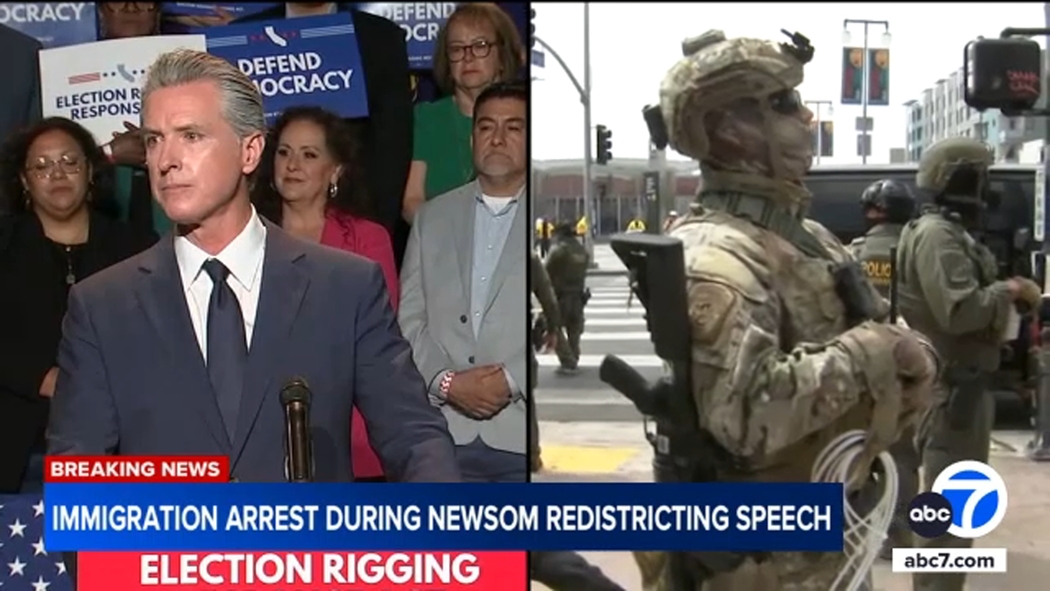
State-Federal Dynamics: California’s sanctuary policies exemplify the challenges states face when federal policies conflict with local priorities, sparking legal battles and political debates.
Newsom’s approach exemplifies the broader struggle to reconcile humanitarian goals, political imperatives, and legal obligations.
Conclusion: A Critical Moment for Newsom and California
As ICE operations unfold in California, Governor Gavin Newsom finds himself at the intersection of law enforcement, immigrant rights, and national politics. His responses will influence:
The lives of millions of immigrants and their families.
California’s legal and political relationship with the federal government.
Newsom’s prospects as a potential presidential candidate.
The stakes are high. Newsom’s ability to navigate federal enforcement actions while maintaining public support, ensuring compliance with state laws, and addressing humanitarian concerns may define his political legacy. In a state where immigration remains a central social and political issue, the outcomes of these unfolding events could reverberate nationwide.